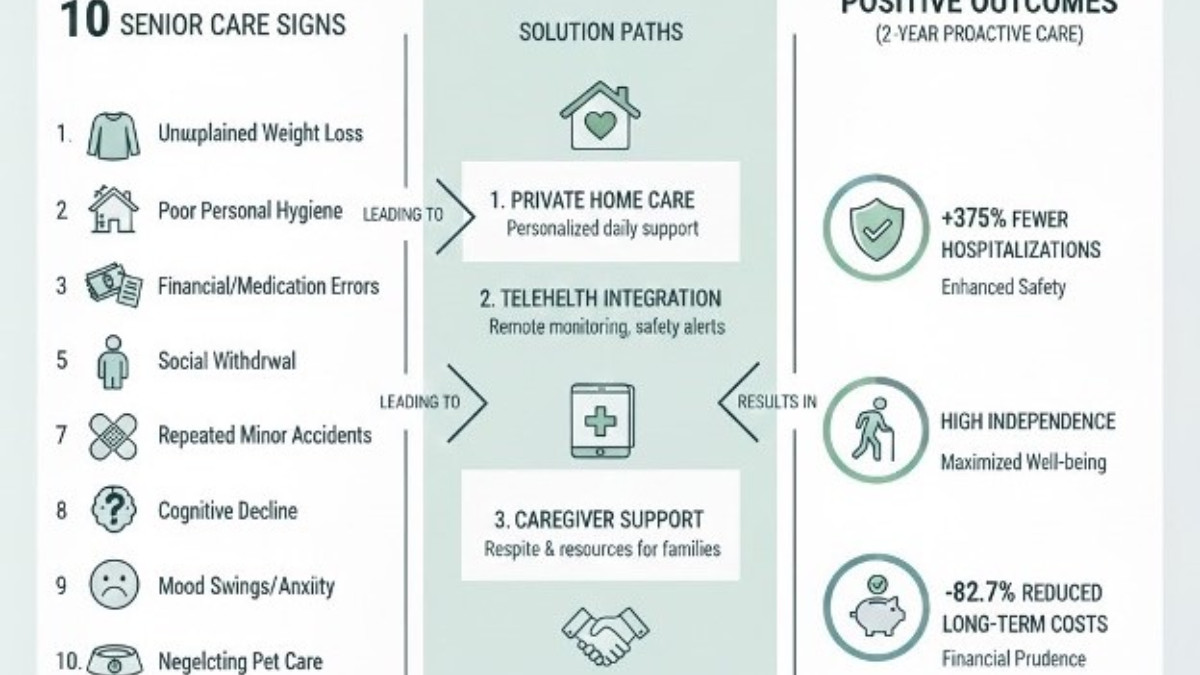

The decision to seek professional home care services for a loved one inevitably leads to the question of financial planning and long term sustainability. In 2026, the average cost of home care is highly volatile, influenced not just by geography but by the complexity of required elder care, local labor markets, and the integration of advanced technologies. Understanding the true home care pricing structure is crucial for family caregiving resources to plan effectively and secure high quality, professional support. This summary highlights the key factors from the full FindCarez report to help families navigate the financial landscape of senior care across different regions.
Key Highlights from the Full Report:
-
Regional Pricing Variations: Hourly rates for non medical care can vary by over fifty percent depending on the state, driven by local minimum wage laws and the cost of living.
-
Impact of Care Intensity: Specialized services such as dementia care or affordable nursing care at home typically command higher rates due to the need for advanced training.
-
Technology and Value: The integration of remote patient monitoring and telehealth platforms adds to the initial cost but often saves money long term by preventing emergencies.
-
Agency Quality Metrics: Agencies that invest in caregiver burnout solutions and staff retention usually have higher rates but offer much more stable and reliable care.
-
Hidden Costs of Low Rates: Aggressively low pricing often correlates with high staff turnover, which can lead to inconsistent care and potential safety risks.
-
Funding and Aid Options: Exploring long term care insurance, veterans benefits, and state specific Medicaid waivers is essential for managing the overall cost of care.
Navigating the cost of home care in 2026 requires a balanced approach that looks beyond just the lowest hourly rate. While finding affordable options is important, the real goal should be securing high value care that fits within a sustainable budget. Data shows that the cheapest options are rarely the most cost effective in the long run, as high caregiver turnover leads to instability and increased stress for the family. Responsible private home care providers are now investing heavily in their staff through comprehensive insurance and quality training programs, ensuring that the care delivered is both professional and compassionate. Furthermore, the use of remote patient monitoring services can sometimes reduce the required number of hands on hours by providing continuous oversight, offering a potential cost saving benefit for families. By understanding the factors that influence state by state variations and proactively leveraging family caregiving resources, you can ensure your loved one receives stable elder care that respects both their needs and your family budget. The full FindCarez report provides a detailed state by state breakdown of estimated hourly costs, advice on vetting agencies for value, and a guide on how to utilize technology to make home care more efficient and affordable.
👉 Read the full detailed home care cost report on FindCarez:
This summary is based on research from FindCarez — the senior care data and insights platform.